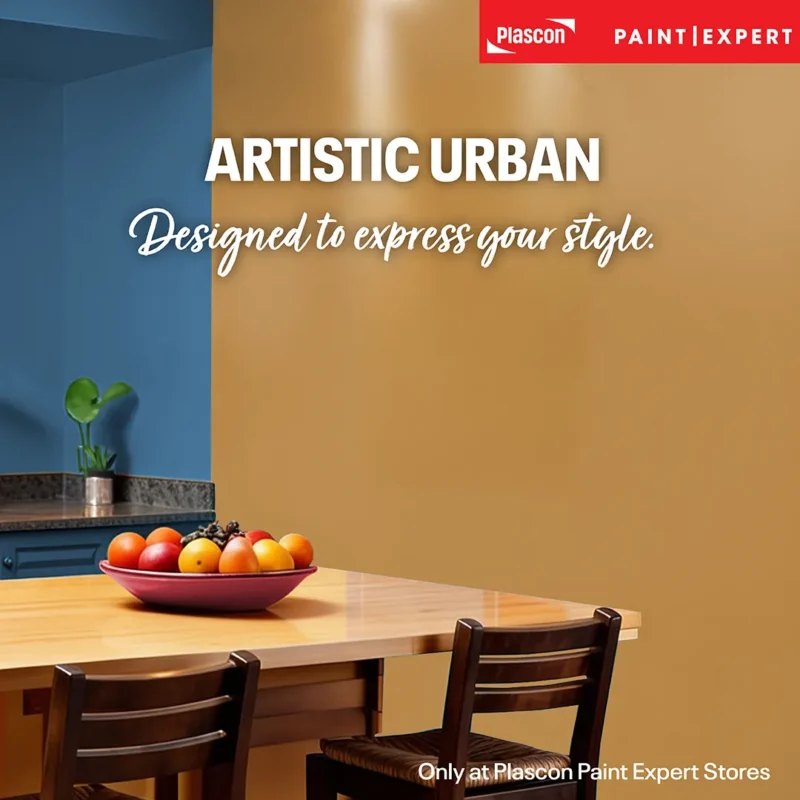

Strategic DIY upgrades can dramatically improve the perceived value of a home without requiring a full renovation budget. The highest impact projects usually involve paint colour, surface finishes, lighting, trims, doors, and exterior presentation because these elements influence how clean, modern, and cohesive a space feels.

In South African homes, climate durability, surface preparation, and product selection matter just as much as aesthetics. Using the correct coatings, preparation tools, and application accessories helps achieve a finish that looks professionally done and lasts longer under local conditions.
Why Small Renovation Details Change the Way a Home Feels
Most homes do not need a complete rebuild to feel more refined. In many cases, the difference between an average-looking space and one that feels polished comes down to consistency, finish quality, and colour control.
Professional decorators and property stylists often focus on surfaces first because surfaces dominate visual perception. Walls, trims, ceilings, doors, and exterior finishes occupy most of the visual field inside and outside a home. When these elements are fresh, cohesive, and well-finished, the entire property feels more expensive.
This is one reason paint remains one of the highest-return DIY renovation investments available to homeowners. Compared to kitchens, bathrooms, or structural renovations, paint projects are relatively affordable while still creating a dramatic visual shift.
For South African homeowners, another factor comes into play: climate. Harsh UV exposure, coastal moisture, Highveld storms, and dust all affect how coatings perform over time. Choosing durable products and preparing surfaces correctly is critical if the goal is a premium-looking result that lasts.
Hamilton’s Brushware products and premium coatings from Plascon are widely used across the professional and DIY market because they are designed for South African conditions and application methods.
1. Repaint Walls Using Rich, Cohesive Colour Schemes
A well-planned paint palette instantly makes a home feel more intentional and sophisticated. Random room-by-room colour choices often make homes feel visually fragmented. Modern high-end interiors usually rely on restrained palettes with controlled contrast. Warm neutrals, earthy greens, muted blues, soft taupes, and mineral-inspired tones continue to dominate both international and South African interior trends.
Why Colour Cohesion Matters

When adjoining rooms share tonal harmony, spaces feel larger and more connected. This creates visual flow, which is strongly associated with professionally designed homes.
For example:
- Warm off-whites paired with muted olive greens create a calm architectural feel
- Deep charcoal feature walls add depth in modern interiors
- Soft stone tones help maximise natural light
- Dusty blue-greys create a more premium atmosphere than bright primary colours
Premium paint finishes also influence perception. Flat, patchy walls tend to make homes feel older, while smooth, durable matt finishes create a cleaner visual effect. Products such as Plascon Double Velvet are commonly used in higher-end interiors because of their luxurious low-sheen finish and durability.
For application, the following tools are useful for achieving cleaner results:
- PAINT EXPERT INTERIOR TRAYSET 225MM
- PLASCON DOUBLE VELVET TRAYSET 225MM
- SILKCOATE 3PC BRUSH SET (25/50/75MM)
- MASKING TAPE 24MM X 40M GP

Shop INTERIOR PAINT PRODUCTS here.
2. Upgrade Interior Doors and Trim Colours
Painting interior doors and trims is one of the most overlooked DIY upgrades. Old cream enamel finishes or yellowing trims immediately date a space.
Modern homes increasingly use:
- Deep charcoal trims
- Warm white trims
- Soft black doors
- Earth-toned interior wood finishes
- Satin architectural finishes
Dark Doors Create Architectural Contrast

Dark-painted doors create depth and visual framing. This technique is widely used in boutique hotels and contemporary homes because it introduces contrast without requiring structural changes. The finish quality matters significantly. Brush marks, drips, or uneven sheen
immediately reduce the effect.
Careful sanding before repainting helps produce smoother results:
For trims and doors:


A satin enamel such as Plascon Velvaglo creates a durable finish suitable for doors and trims exposed to regular handling.
Common Mistake
Skipping surface preparation is one of the main reasons painted doors fail prematurely. Glossy or contaminated surfaces often require sanding and proper priming before recoating.
3. Create a Proper Feature Wall Instead of a Trend Wall

A feature wall should create depth and focus. Many DIY feature walls fail because the colour is too bright, too isolated, or disconnected from the room palette.
A Good Feature Wall Anchors the Room
The best feature walls usually:
- sit behind a bed, TV unit, fireplace, or dining table
- use deeper or moodier colours
- connect to furnishings already in the room
- complement lighting conditions
South African homes with strong natural sunlight can often handle deeper colours better than darker European interiors.
Popular feature wall directions include:
- muted olive green
- deep blue-grey
- warm terracotta
- textured stone-inspired finishes
Textured coatings like Plascon Micatex can also create visual depth on selected interior or exterior surfaces.

Useful application products include:
- PLASCON MICATEX TRAYSET 225MM
- MASKING TAPE 36MM X 40M GP
Expert Insight
Feature walls work best when surrounding walls remain restrained. Too many bold walls reduce visual hierarchy and make rooms feel visually cluttered.
4. Refresh Exterior Walls for Immediate Street Appeal

Exterior appearance strongly influences perceived property value because it creates the first impression before someone even enters the home.
In South Africa, exterior walls often fade due to:
- UV exposure
- wind-driven rain
- dust accumulation
- algae growth in humid regions
Exterior Paint Condition Signals Overall Maintenance
People subconsciously associate peeling paint, faded walls, or dirty surfaces with neglected maintenance. Refreshing exterior walls with durable coatings can make older homes appear significantly newer.
Popular exterior approaches include:
- warm greige tones
- soft off-whites
- textured charcoal features
- modern earthy palettes
Products such as Plascon Wall & All and Micatex are commonly used because they are formulated for exterior durability.
Recommended accessories include:
- PAINT EXPERT EXTERIOR TRAYSET 225MM
- PLASCON WALL & ALL TRAYSET 225MM
- MASKING TAPE 48MM X 40M GP

Best Practice
Wash walls thoroughly before repainting. Dirt, chalking, and loose paint reduce adhesion and can shorten coating lifespan.
5. Improve Lighting to Enhance Paint Colour and Finishes

Lighting dramatically changes how colour is perceived. A beautifully painted room can still feel flat under poor lighting.
Warm Lighting Usually Feels More Premium
Warm white lighting tends to create softer, more welcoming interiors compared to cool blue-toned lighting.
Modern upgrades often include:
- layered lighting
- wall sconces
- pendant lighting
- dimmable LED systems
- warm feature lighting
Paint sheen also reacts differently under various lighting conditions. High-gloss surfaces reflect more light and imperfections, while quality matt finishes absorb light more softly.
Practical Tip
Always test paint samples in morning, afternoon, and evening lighting before committing to full-room application. South African homes often receive intense daylight, particularly in north-facing rooms. Colours may appear lighter and warmer than expected.
6. Refinish Ceilings for a Cleaner, Higher-End Look

Ceilings are frequently ignored during DIY renovations, yet stained or yellowing ceilings can make an entire room feel tired.
Fresh Ceilings Improve Light Reflection
Clean ceilings reflect light more evenly and help rooms feel brighter and taller. Professional painters often repaint ceilings before walls because ceiling defects become more obvious once walls are refreshed.

Key preparation tools include:
- FLOOR SAND ROLL 300MM X 1M – P60
- FLOOR SAND ROLL 300MM X 1M – P80
- SUPAFOAM TRAYSET VALUE PACK

For broader ceiling work:
- PLASCON TRADEPRO TRAYSET 225MM
Common Mistake
Using the wrong roller nap can create inconsistent ceiling texture. Roller choice should match the ceiling substrate and coating type.
7. Waterproof and Refresh Problem Areas Before They Deteriorate

Water damage quickly undermines the appearance and value perception of a home. Small waterproofing issues often become highly visible through bubbling paint, stains, or peeling coatings.
Preventative Maintenance Looks More Premium Than Reactive Repairs
Homes that appear well-maintained generally feel more valuable because surfaces remain consistent and clean.
Typical DIY maintenance areas include:
- parapet walls
- flashing joints
- roof edges
- window surrounds
- balcony walls
Waterproofing preparation and application tools include:

Expert Insight
Many coating failures blamed on “bad paint” are actually caused by moisture ingress beneath the surface.
Practical Tips for DIY Renovation Success

Use Sample Pots First
Paint colours can change dramatically depending on light direction and surrounding finishes.
Buy Proper Masking Tape
Cheap masking tape often bleeds or damages existing coatings during removal.
Sand More Than You Think
Most professional-looking finishes come from preparation quality rather than paint cost alone.
Paint in Logical Order
Ceilings first, walls second, trims and doors last.
Use the Correct Trayset
Different coatings perform better with specific roller systems designed for their texture and viscosity.

Common DIY Renovation Mistakes
Choosing Trend Colours Without Considering Light
Deep colours can feel elegant in bright spaces but heavy in dark rooms.
Ignoring Exterior Preparation
Painting over chalking or peeling surfaces reduces coating lifespan significantly.
Using One Paint Type Everywhere
Different surfaces require different formulations for durability and finish quality.
Overusing Feature Walls
Too many bold walls compete visually and reduce sophistication.
Skipping Waterproofing Maintenance
Small moisture problems often become major coating failures later
Key Takeaways
- Paint remains one of the highest-impact DIY renovation investments.
- Cohesive colour palettes create a more expensive-looking home.
- Doors, trims, and ceilings strongly influence visual quality.
- Exterior presentation affects perceived property value immediately.
- Lighting changes how paint colour and sheen are perceived.
- Surface preparation is essential for professional-looking finishes.
- Waterproofing maintenance protects both appearance and structural integrity.
- South African climate conditions should influence product selection.
Frequently Asked Questions
- Which paint colours make a home look more expensive?
Warm neutrals, muted greens, soft charcoals, earthy taupes, and dusty blue-greys are commonly associated with premium interiors because they create depth without overwhelming a space. - Does repainting a house increase property value?
Fresh paint can improve perceived value and buyer appeal because it makes a home appear cleaner and better maintained. Actual resale impact varies depending on market conditions. - What is the best paint finish for living rooms?
Quality matt or low-sheen finishes are often preferred because they soften light reflection and create a more refined appearance. - Should trims be lighter or darker than walls?
Both approaches can work. Dark trims create modern contrast, while lighter trims produce a softer traditional appearance. - Is Micatex suitable for exterior walls?
Plascon Micatex is commonly used on exterior walls because of its textured finish and durability characteristics. - Why does my painted wall look patchy?
Patchiness is often caused by uneven absorption, poor roller technique, insufficient coverage, or inadequate surface preparation. - What grit sandpaper should I use before repainting?
Medium grits such as P80 or P100 are commonly used for preparing previously painted surfaces before recoating. - Can I paint over old gloss paint?
Yes, but glossy surfaces usually require sanding and suitable priming to improve adhesion. - Why do some paint colours look different at night?
Artificial lighting changes colour temperature and affects how pigments are perceived. - What is the best way to make exterior paint last longer?
Proper cleaning, preparation, priming, waterproofing maintenance, and using coatings designed for local conditions all improve durability.
Disclaimer
This article is intended for general informational and educational purposes only. Product suitability, preparation methods, and application systems may vary depending on substrate condition, environmental exposure, and manufacturer specifications. Always consult the relevant technical data sheets and seek professional advice where required.